
Senior Editor Joseph Clarke explores how coatings, glazing and enrobing are helping manufacturers create more premium snack experiences…
Premiumisation within the snacks sector is undergoing a significant transformation. While indulgence remains central to consumer purchasing decisions, manufacturers are increasingly recognising that premium appeal is no longer driven solely by luxury branding or higher cocoa content. Instead, modern consumers are seeking multi-sensory experiences that combine texture, flavour, visual appeal and perceived quality in ways that justify indulgence, even in a more price-conscious market.
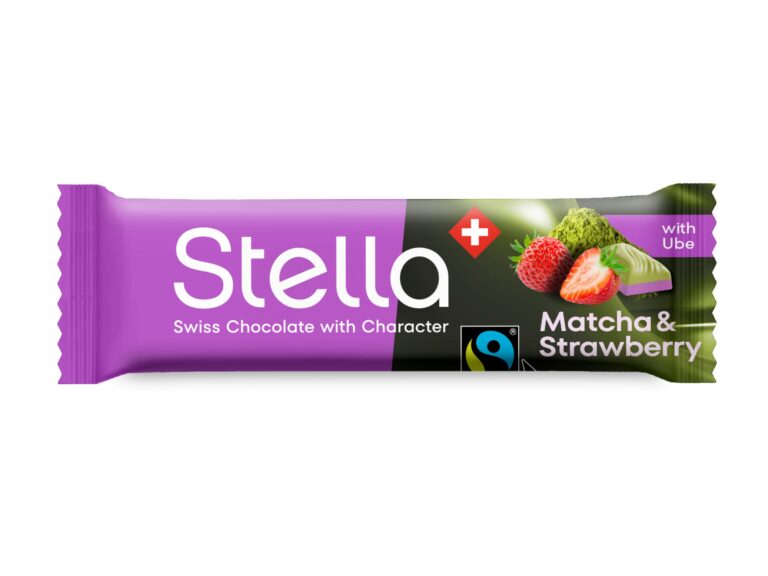
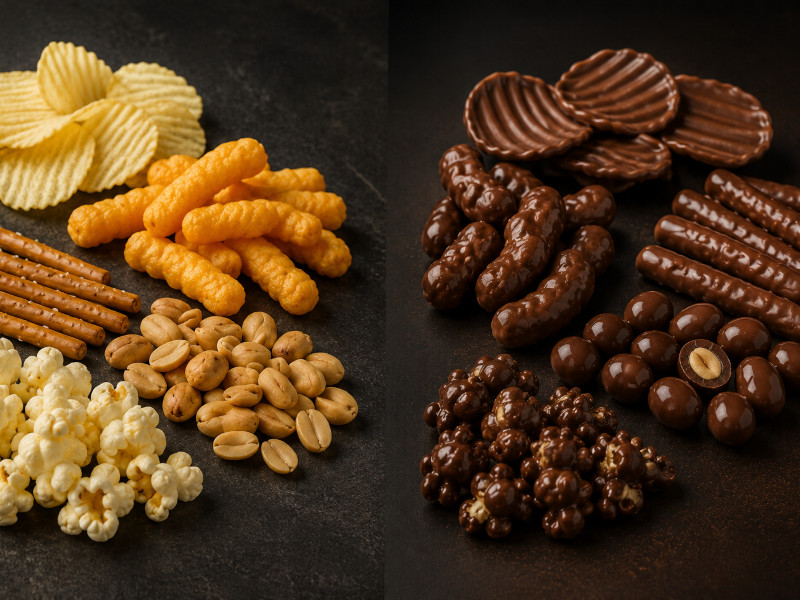
Coatings, glazing and enrobing technologies are playing a crucial role in this evolution. Whether through chocolate-drizzled extruded snacks, glossy savoury coatings, layered inclusions or contrasting textures, manufacturers are using finishing systems to elevate familiar snack formats into more experiential products.
According to Philippe Bernay, Indulgence Commercial Marketing Director at Cargill, premiumisation today is increasingly defined by emotional and sensory value rather than traditional luxury cues alone.
“Premiumisation in confectionery is evolving,” he explains. “It is no longer defined solely by higher cocoa content or luxury positioning. Today, it is about delivering a distinctive, multi-sensory experience that feels worth it, even in a value-conscious environment.”
Consumer data strongly supports this direction. Cargill’s 2025 TrendTracker research shows that 78% of consumers consider taste or flavour extremely or very important in their food and beverage choices, while 81% find new and novel flavours appealing. At the same time, 43% say they are actively looking for indulgent experiences that genuinely excite them.
For snack manufacturers, coatings and enrobing systems are becoming essential tools in meeting these expectations.
Coatings Move into Mainstream Snacks
Chocolate coatings and sweet glazes are no longer confined to traditional confectionery products. Increasingly, they are appearing across a broad range of snack categories, including popcorn, pretzels, extruded snacks, cereal clusters, pellets and hybrid sweet-savoury formats.
This crossover reflects broader consumer demand for layered flavour experiences that combine indulgence with familiarity. Sweet and salty combinations continue to resonate strongly, while contrasting textures and flavour releases help create products that feel more premium and differentiated.
Bernay believes coatings are uniquely positioned to deliver these elevated sensory experiences.
“They are powerful tools for premiumisation because they shape the first and lasting impression of a product,” he says. “Gloss, snap, melt, contrast and flavour release all influence how indulgent a confection feels.”
In snack applications, these sensory attributes are becoming increasingly important. A glossy chocolate drizzle over a savoury pellet snack, for example, can instantly elevate visual appeal and create stronger perceptions of indulgence and craftsmanship. Similarly, enrobed layers around crunchy or aerated centres help create textural contrast that enhances the overall eating experience.
Manufacturers are also exploring more adventurous flavour combinations through coatings. Salted caramel chocolate, chilli-infused glazes, coffee coatings and yoghurt-style drizzles are increasingly being applied across snacks to create more premium and immersive flavour profiles.
Companies such as Snack Creations are contributing to this movement through finished snack concepts that incorporate coated and enrobed formats designed around indulgence and sensory contrast. These types of products demonstrate how coatings can reposition everyday snacks into more premium propositions without fundamentally changing the core product structure.
The ability to build premium experiences onto familiar snack bases is becoming increasingly valuable in a market where consumers continue to seek indulgence while remaining conscious of spending.