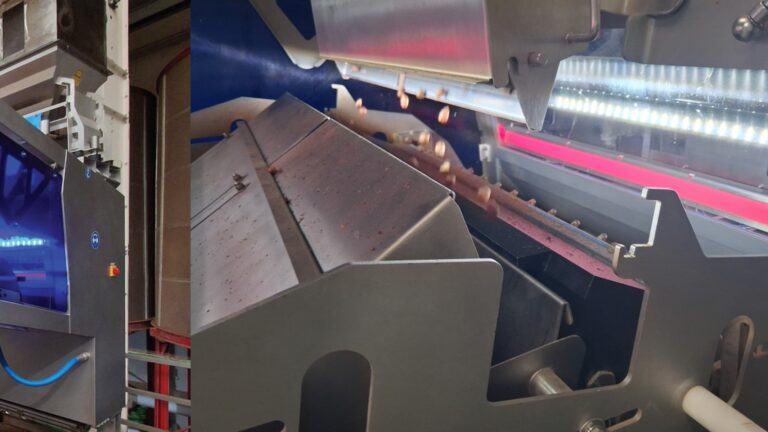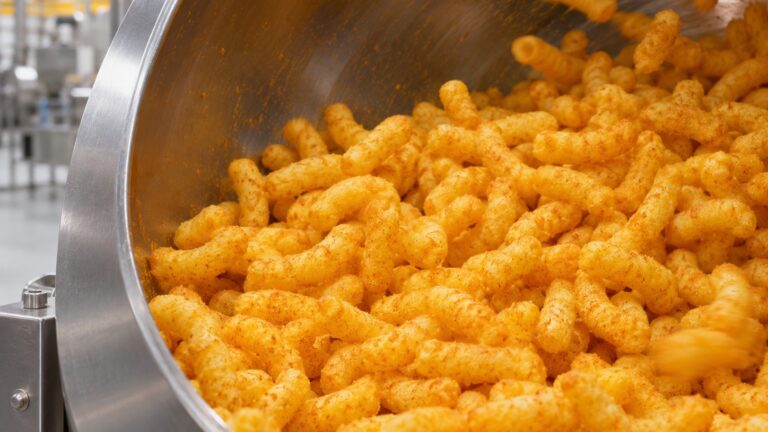
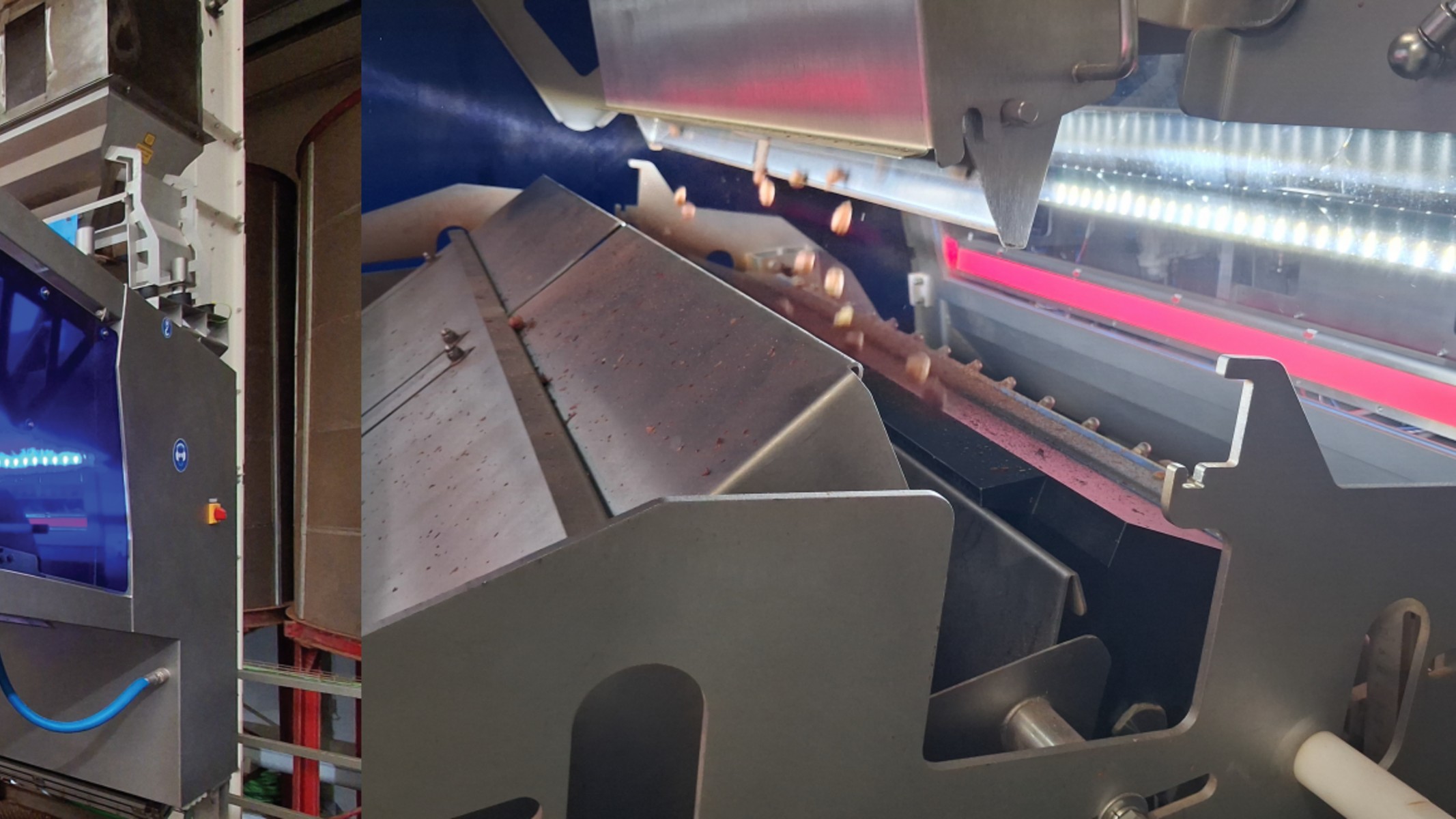

Food sorting equipment manufacturer TOMRA has reported improvements in processing capacity and product quality at Spanish nut processor J.M. Palau following the installation of its Nimbus BSI+ and TOMRA 4C optical sorting systems.
The development, detailed in a manufacturer case study published on 2 November 2026, highlights how automated sorting technology has helped the Tarragona-based company increase throughput from approximately 60kg to more than 1,000kg per hour.
J.M. Palau supplies processed nuts to food manufacturers, including producers of chocolate, nougat, ice cream and bakery products. The investment was designed to increase production capacity while strengthening quality control.
Increasing Sorting Efficiency
J.M. Palau initially installed TOMRA’s Nimbus BSI+ sorting system, increasing processing capacity to approximately 400kg per hour. The subsequent addition of the TOMRA 4C raised throughput beyond 1,000kg per hour.
The systems detect and remove defective kernels, shell fragments and foreign materials that can be difficult to identify through conventional inspection methods.
Working with TOMRA, the processor developed sorting configurations for hazelnuts, almonds and pistachios to accommodate different product characteristics and customer requirements.
According to TOMRA, foreign material contamination has fallen to fewer than five pieces per tonne of finished product, while defect levels have dropped below 1%.
The manufacturer also reports a reduction of more than 99% in customer complaints relating to foreign materials.
Supporting Product Quality
The investment has contributed to J.M. Palau’s expansion, with annual processing volumes increasing from approximately 300 tonnes in 2016 to more than 3,000 tonnes in 2026.
For nut processors and snack ingredient suppliers, automated optical sorting provides opportunities to improve product consistency while reducing dependence on manual inspection.
The technology also allows rejected materials to be reprocessed, helping recover acceptable products and minimise unnecessary waste.
The installation demonstrates how combining sorting technologies can support higher production volumes while maintaining the quality standards required by downstream food manufacturers.