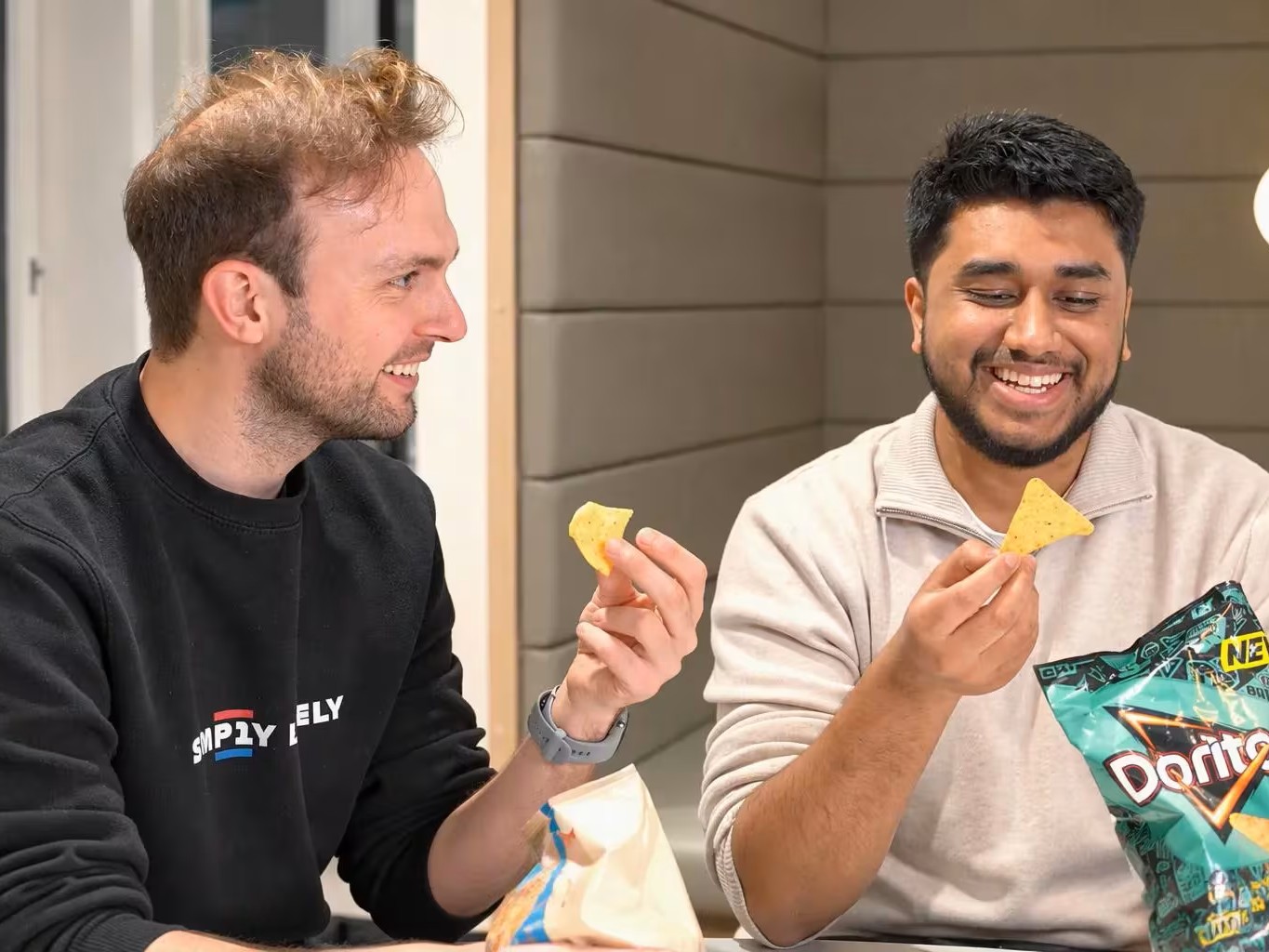

PepsiCo has outlined progress in reformulating familiar snack brands, including Doritos, Walkers, Lay’s and Cheetos, as it seeks to improve nutritional profiles without compromising taste or texture.
The manufacturer described changes to sodium levels, cooking oils and ingredients across different markets. The company also set out how consumer testing and product development influence reformulation decisions, particularly for established products with recognisable textures and flavour profiles.
Doritos Undergoes European Changes
One example is Doritos in Europe, where PepsiCo worked to reduce fat and salt while increasing crunch. The company initially tested the revised recipe in one market before extending it across the region.
PepsiCo says Doritos subsequently recorded 20% growth and attracted 2.1 million new customers over two years in those markets. The figures are company-reported and should not be interpreted as evidence that reformulation alone drove growth.
Its broader portfolio work includes sodium reductions in selected Walkers, Lay’s and Doritos products, alongside the use of oils with lower saturated fat in some Lay’s, Doritos and Cheetos ranges.
Product Development and Nutrition Targets
PepsiCo says it achieved its 2025 targets for added sugars, sodium and saturated fat, which it had tracked since 2015. It is continuing work on sodium reduction towards 2030 and aims to supply 145 billion portions of diverse ingredients annually through its global convenient foods business by that year.
Existing examples include Tostitos containing eight grams of whole grain per serving and Simply Doritos made with whole grain in the US.
For snack manufacturers, the update illustrates the technical trade-offs involved in changing established recipes. Reformulation must account for shelf life, processing performance, stability, consumer acceptance and regulatory requirements, making ingredient selection only one part of the development process.
Unlike a single product launch, changes to an established range can affect ingredient procurement, production settings and quality assurance across several markets and factories.