ADM has identified six major consumer drivers influencing the next generation of snack development, as expectations move beyond the traditional choice between sweet and savoury products.
The company’s new Snacking Research Report suggests that consumers increasingly expect snacks to fulfil several needs simultaneously, balancing indulgence and enjoyment with nutrition, convenience, affordability and personal wellbeing.
According to ADM, today’s snack choices are shaped by a combination of emotional and rational motivations. Emotional considerations account for 57% of snacking drivers, including indulgence, escapism and social connection, while rational and functional motivations represent 43%, covering hunger, long-term nutrition and personal optimisation.
The findings point towards opportunities for manufacturers to develop products that deliver an immediate sensory reward while supporting broader lifestyle and wellness goals.
Flavour moves beyond sweet and savoury
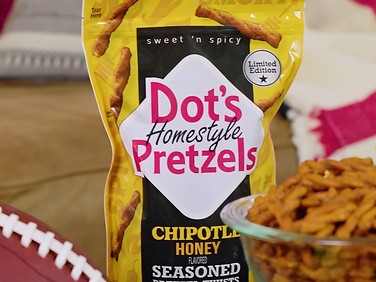
Although sweet and savoury remain the dominant flavour preferences, ADM reports that consumers are becoming increasingly receptive to more complex combinations.
This includes products blending sweet and savoury notes, flavours inspired by different global cuisines and snacks offering distinctive physical sensations. Spicy heat, cooling effects and tingling sensations are among the sensory experiences highlighted by the research.
For snack developers, the findings underline the importance of considering flavour, aroma and texture as part of a complete sensory experience rather than treating them as separate product characteristics.
Gen Z expects snacks to do more
Gen Z is also changing how and when snacks are consumed. ADM describes the generation as taking an “anytime-anywhere” approach, with consumers sometimes combining several different snacks during a single occasion.
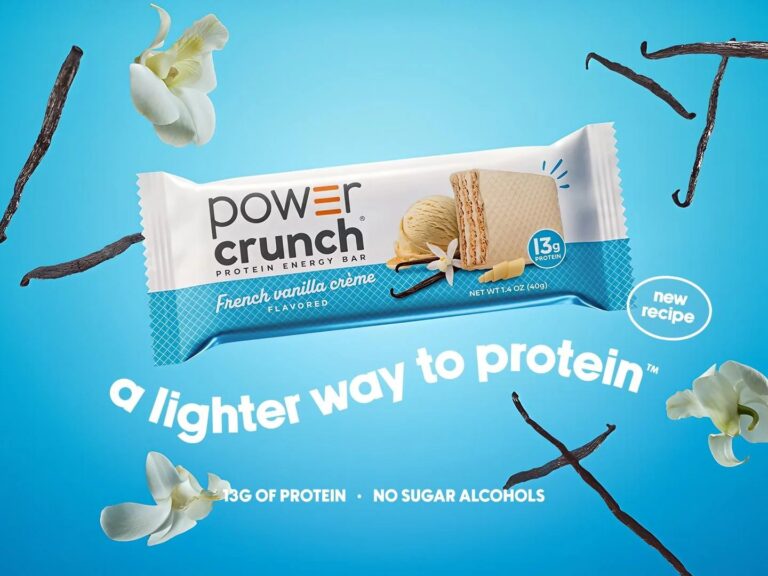
Protein-rich and grab-and-go products are particularly relevant, alongside sweet and dairy snacks and meat or meat-alternative options. However, younger consumers are also seeking wider benefits relating to mood, sleep, stress, sustainability, escapism and social connection.
This creates scope for products that bridge traditional category boundaries, combining portability and enjoyment with ingredients or formats associated with functional nutrition.
Reformulation attracts consumer interest
More than two-thirds of surveyed consumers said they were interested or very interested in reformulated snacks. Added fibre and cleaner-label characteristics, including the removal of artificial colours, emerged as key priorities.
The research also found that 46% of consumers would be willing to accept a higher price for reformulated products, while 28% were neutral and 26% were unwilling to pay more.
However, the findings suggest manufacturers must continue to protect the core eating experience. Reformulation that delivers an improved nutritional profile but compromises taste or enjoyment may struggle to generate repeat purchases.
Affordability remains critical
Taste and flavour remain the leading purchasing considerations, rated important by 75% of US consumers surveyed. Affordability followed closely at 71%, placing it ahead of texture, ingredient considerations and sustainability.
Texture was considered important by 50%, while reducing or avoiding particular ingredients scored 37%, adding desirable ingredients 36% and sustainability 28%.
The results indicate that even as interest in premium, functional and reformulated snacks grows, value must remain central to product development.
GLP-1 use creates new opportunities
ADM also highlights the emerging influence of consumers using anti-obesity medicines, including GLP-1 receptor agonists.
These consumers may be prepared to pay more for snacks aligned with their nutritional goals. Portion-controlled formats could be combined with protein, prebiotic fibre, probiotics, postbiotics and omega-3 ingredients to create products designed around changing appetites and nutritional requirements.
ADM concludes that the interaction between emotional enjoyment, functional benefits, flavour exploration and price is creating an increasingly sophisticated snacking market. Manufacturers able to balance these sometimes competing priorities may be best placed to encourage both initial trial and repeat purchasing.