
SÜDPACK has outlined a range of packaging concepts for cheese snacks and other dairy formats as manufacturers prepare for tighter recyclability requirements and continued pressure to reduce material use.
The company is focusing on recyclable mono-material structures, thinner high-performance films and barrier properties tailored to specific products. For snack producers, the development is particularly relevant to cheese portions and other chilled snack formats where packaging must balance freshness, seal integrity, machinability and material efficiency.
The work comes as the EU Packaging and Packaging Waste Regulation places greater emphasis on design for recycling and packaging reduction. SÜDPACK argues that changes to material structures must nevertheless maintain shelf life, food safety and reliable processing on existing packaging equipment.
Mono-material formats gain ground
SÜDPACK sees PE- and PP-based mono-material structures as an important route towards more recyclable cheese packaging, supported by existing recycling streams for both polymers in a number of European markets.
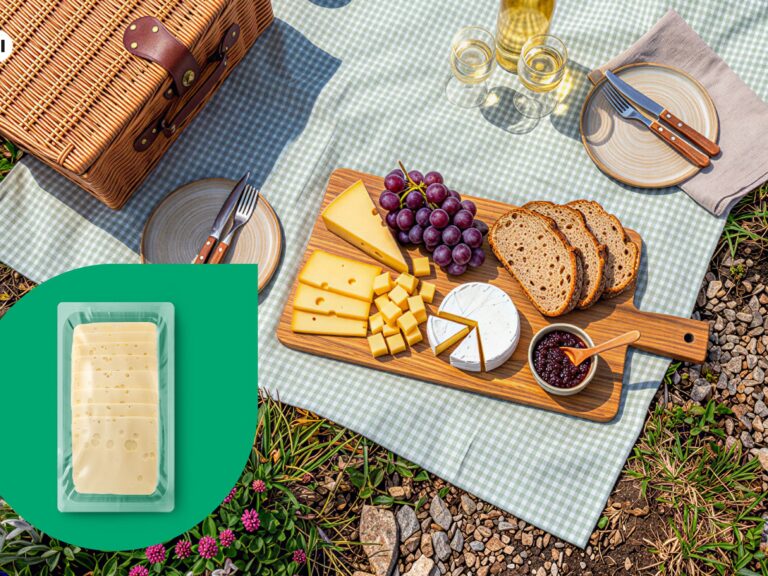
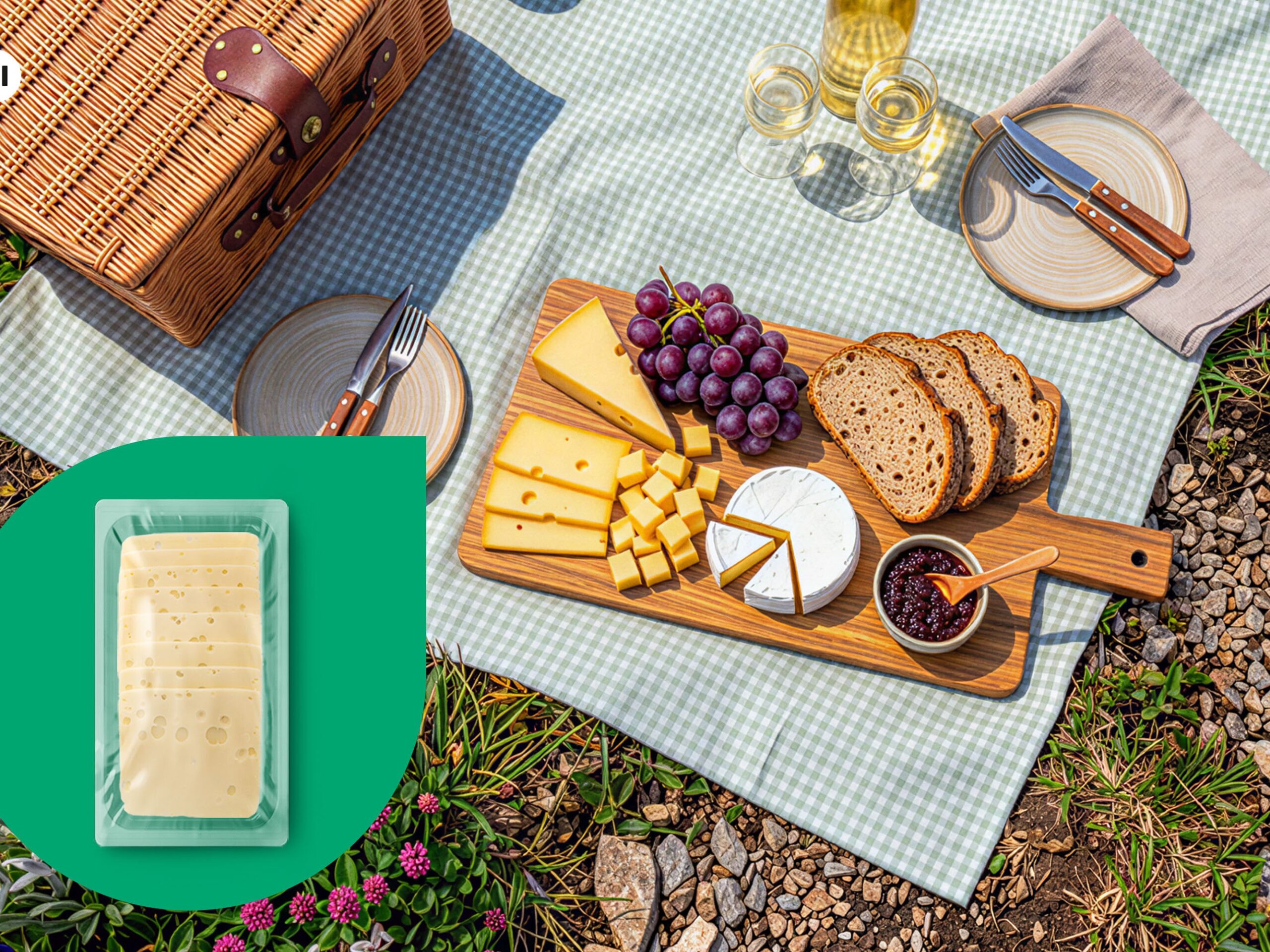
Its CarbonLite range includes PP- and PE-based flow packs designed for applications including cheese snacks, grated cheese, mozzarella and larger cheese portions. Barrier performance can be adjusted according to the product, allowing manufacturers to control gas and water vapour transmission without automatically specifying the highest possible barrier.
This is significant because different cheese products can require very different packaging characteristics. Some cheeses release gases and therefore require controlled exchange, while moisture-rich products place greater demands on sealing performance, puncture resistance and leak prevention.
For snack manufacturers, flow packs also offer the potential to reduce pack weight while maintaining the mechanical performance required through filling, distribution and retail handling.
SÜDPACK said material selection should be considered alongside sealing behaviour and machine compatibility, rather than assessed in isolation. The company uses coextrusion to combine functional layers within mono-material structures, allowing properties such as barrier performance, strength and sealability to be adjusted for the product and packaging line.
Reclose systems support freshness
Reclosable formats are another area of development, particularly where products are consumed over more than one occasion.
SÜDPACK said reclose systems can help prevent cheese from drying out after opening and reduce the risk of premature spoilage. Its Multipeel Pure PP top web can be paired with a mono-PP rigid film to create a PP-based packaging structure intended for established recycling streams.
The Multipeel material can also be used with mono-APET trays, with the top web designed to separate from the APET base during recycling so the tray material can enter the relevant stream.
Alongside new material development, SÜDPACK is working with customers on film-thickness reduction, pack optimisation and adapting packaging to existing production machinery.
Testing can be carried out on the company’s multiXtrusion pilot line before materials move into full-scale production. SÜDPACK said the approach is intended to reduce the technical risk associated with moving to new recyclable structures while maintaining the processing consistency required for high-volume food and snack production.