

Children’s snack products, such as bear-shaped crisps and novelty biscuits, require highly specialised cutting and portioning technology to deliver both consistency and appeal. The challenge lies not only in maintaining fun shapes but also in ensuring production efficiency and cost-effectiveness.
Modern rotary moulding systems have become the industry standard for producing these intricate shapes. These machines use precision-engineered moulds that stamp dough into forms ranging from animals to cartoon-inspired outlines, ensuring uniform size and weight. The technology must deliver sharp definition while handling delicate dough without tearing or distorting the final piece.
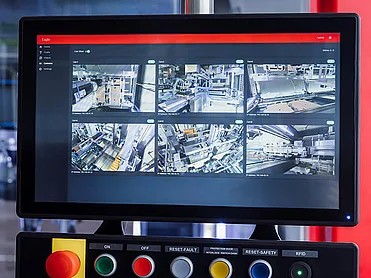
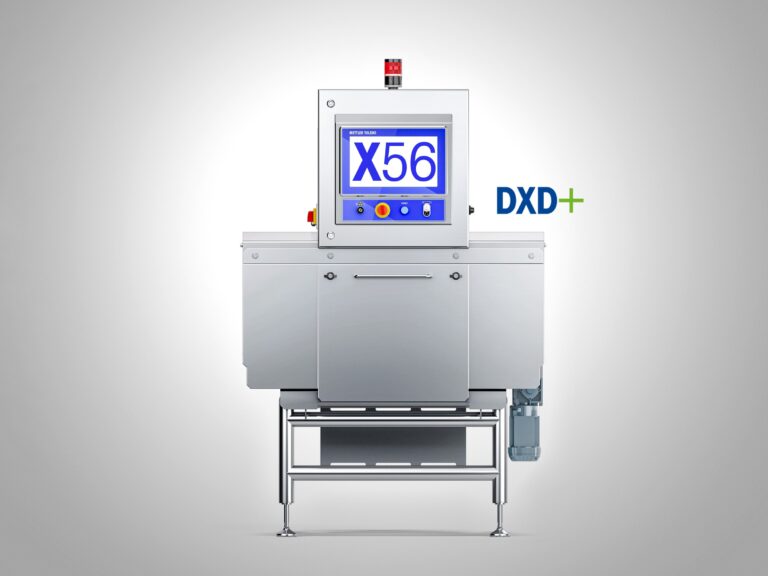
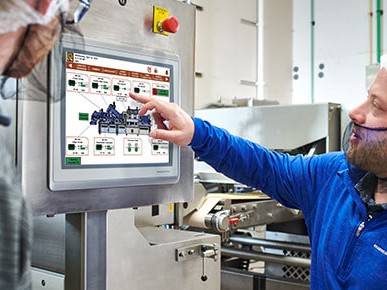
One key innovation is the integration of vision systems. These systems scan each snack as it leaves the mould, identifying imperfections such as incomplete shapes or irregular edges. Defective items are automatically removed, protecting brand reputation and reducing downstream waste.
Efficiency is equally important. With rising demand for portion-controlled packs aimed at lunchboxes, cutting systems are designed to maximise throughput without sacrificing quality. Many lines can produce tens of thousands of shaped snacks per hour while keeping mould replacement and cleaning times to a minimum.
Another consideration is allergen control. As children’s products often span multiple recipe variations, quick-change mould systems allow lines to switch shapes and formulations with minimal downtime. This flexibility supports manufacturers in responding to seasonal trends or promotional launches.
Ultimately, cutting and shaping systems for children’s snacks are as much about creativity as they are about precision. By combining imaginative mould design with the latest monitoring and control systems, manufacturers can deliver safe, appealing, and consistently portioned products that delight young consumers while meeting retailer and regulatory demands.