

The global snacking revolution is no longer a trend – it is a structural shift in how the world eats. According to a newly published market research report by Polaris Market Research, the Healthy Snacks Market was valued at USD 109.65 billion in 2025 and is projected to reach USD 201.17 billion by 2034, expanding at a compound annual growth rate (CAGR) of 7.0% over the forecast period from 2026 to 2034. The findings reveal a consumer population increasingly willing to pay a premium for snacks that deliver both nutrition and convenience – reshaping product pipelines from boardrooms in Chicago to manufacturing floors in Bangalore.
A Market Fueled by Health-First Consumers
The post-pandemic world accelerated a fundamental reevaluation of dietary choices. Restricted dining options during global lockdowns pushed millions toward home-prepared meals and closer scrutiny of packaged food labels. That heightened awareness never fully retreated. Today’s consumer – whether a Gen Z fitness enthusiast, a time-pressed corporate professional, or a health-conscious parent – demands snacking options that actively support wellness rather than merely satisfy hunger.
This appetite for better-for-you products is the primary engine behind the healthy snacks industry’s remarkable trajectory. Consumers are turning to options rich in fiber, protein, vitamins, and minerals, while simultaneously steering away from offerings laden with added sugar, artificial preservatives, and trans fats. The result is a product category that has evolved from a niche health-food aisle offering into one of the fastest-growing segments across the entire Food & Beverages landscape.
Key Market Drivers: What’s Powering the Surge
Rising Demand for Functional Food Products
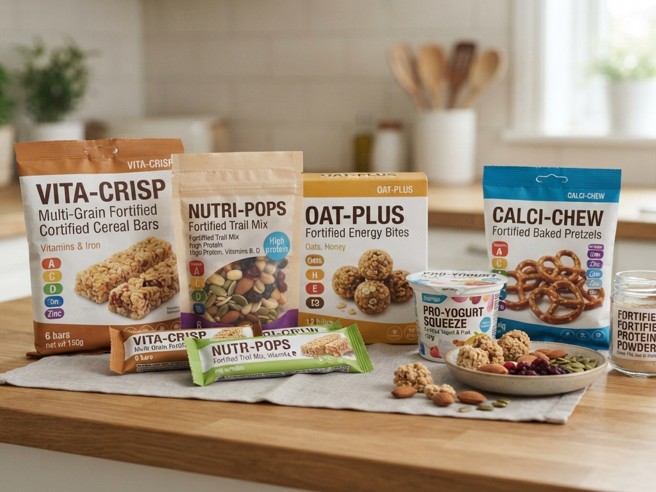
Consumers are no longer content with snacks that simply taste good. They want ingredients that do something – support gut health, manage weight, boost immunity, or enhance cognitive performance. Products containing probiotics, prebiotics, omega-3 fatty acids, plant-based proteins, and antioxidants are seeing disproportionate growth across retail channels. This functional food revolution is reshaping R&D investments at companies like Nestlé, Danone, Mondelēz International, and PepsiCo, all of whom are racing to fortify their snack portfolios with clinically recognized health benefits.
The Convenience Imperative
The 2023 State of Snacking report by Mondelēz revealed that nearly 88% of consumers snack every single day, with a growing preference for multiple smaller meals over traditional three-meal structures. This behavioral shift is not merely anecdotal – it reflects deep structural changes in how people manage time, energy, and nutrition across increasingly fragmented daily schedules. Ready-to-eat formats, single-serve pouches, and resealable packaging are commanding premium shelf space precisely because they meet consumers where they are: in transit, between meetings, or mid-workout.
Personalisation as a Competitive Differentiator
The next frontier in the healthy snacks market is personalisation. Brands are increasingly developing products tailored to specific dietary philosophies – keto-friendly granola bars, gluten-free baked chips, low-cholesterol trail mixes, mood-boosting dark chocolate bites, and gut-health-focused dairy snacks. In March 2022, PepsiCo and Beyond Meat underscored the personalisation imperative by launching their first plant-based product under the PLANeT Partnership, targeting consumers who want snacking choices aligned with both their health goals and environmental values.