

Managing Editor Rebecca Spayne examines how advanced portioning systems are helping snack manufacturers improve consistency and stabilise increasingly complex production lines…
Consistency has always been fundamental to snack manufacturing. However, as production environments become more complex and product portfolios continue to expand, the role of portioning systems has evolved far beyond simple pack weight control. What was once considered a secondary packaging stage process now sits at the centre of operational efficiency, influencing throughput, waste reduction, product quality, and line stability simultaneously.
Manufacturers are no longer producing a narrow range of uniform products. Modern snack facilities are expected to handle everything from delicate extruded snacks and coated nuts to baked vegetable crisps, protein enriched clusters, and multilayered premium products, often across the same production line. Consequently, maintaining accurate product distribution and consistent portioning has become significantly more demanding.
At the same time, economic pressures across the food manufacturing sector continue to intensify. Rising ingredient costs, energy volatility, labour shortages, and sustainability targets are forcing producers to reduce inefficiencies wherever possible. As a result, even relatively small improvements in portion accuracy can deliver substantial operational savings over time.
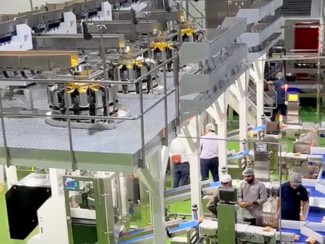
Against this backdrop, manufacturers are increasingly investing in integrated processing technologies capable of improving product flow and consistency across the entire production environment. Companies such as Heat and Control Pty Ltd and TNA Solutions are developing systems that combine conveying, seasoning, weighing, and distribution technologies into highly coordinated production architectures. The objective is no longer simply to move products efficiently, but to maintain stable and predictable product behaviour throughout the entire manufacturing process.
Importantly, portioning systems are also becoming increasingly influential in protecting product quality itself. In premium snack categories especially, manufacturers must maintain visual consistency, texture stability, and accurate pack presentation while operating under high throughput conditions. Consumers now expect uniformity not only in flavour, but also in size, appearance, and product composition. Consequently, production technologies that can support this level of repeatability are becoming commercially valuable as well as operationally necessary.
Product Diversification Is Increasing Complexity
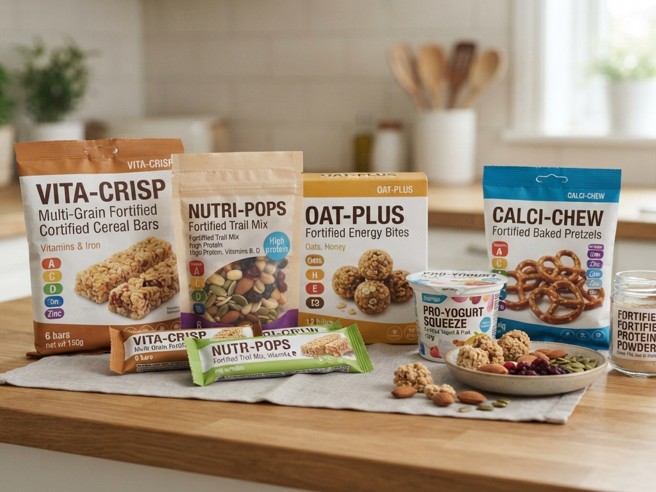
One of the most significant drivers behind the growing importance of advanced portioning systems is the continued diversification of snack products. Consumer demand for healthier formulations, premium textures, plant based alternatives, and functional ingredients has created a far broader range of snack formats than many production lines were originally designed to handle.
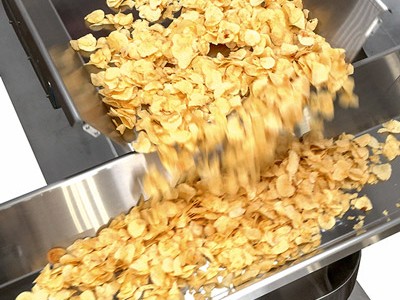
Importantly, different snack products behave very differently during processing. Lightweight puffed snacks require gentle handling conditions to avoid breakage, while dense protein products place entirely different demands on conveying and distribution systems. Similarly, coated products may clump or distribute unevenly if seasoning and oil application are not carefully controlled.
In addition, hybrid snack formats are becoming increasingly common. Manufacturers are now producing combinations of nuts, dried fruits, extruded pieces, chocolate coated inclusions, and savoury components within single packaging formats. Maintaining accurate product ratios within these mixed applications creates an additional layer of complexity for portioning systems, particularly at high line speeds.
Consequently, manufacturers can no longer rely on isolated weighing technologies alone to maintain portion consistency. Instead, they are increasingly recognising that stable portioning begins much earlier in the production cycle, particularly during product movement, sorting, and cutting stages.
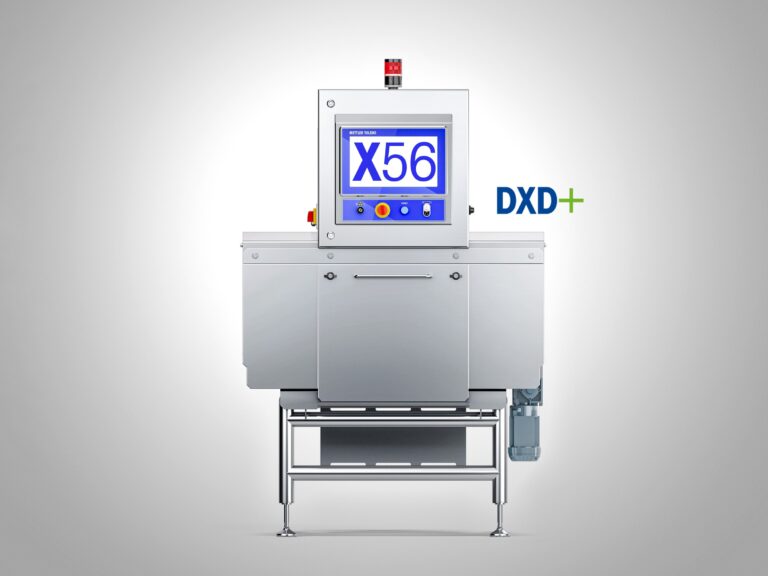
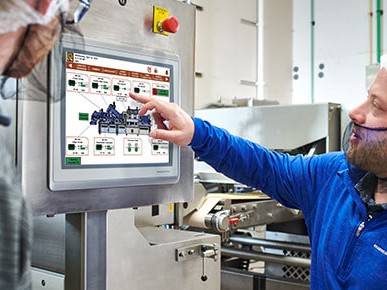
This shift has encouraged greater integration between processing technologies and portion management systems. Conveyors, vibratory feeders, seasoning systems, and inspection equipment are now expected to work together more intelligently in order to maintain balanced product flow throughout the line. Without that coordination, inconsistencies introduced upstream can quickly create inefficiencies during packaging and final weighing operations.
Furthermore, higher production speeds have intensified these challenges. Even minor fluctuations in product movement can affect downstream performance when operating under modern throughput demands. As a result, stable product handling has become just as important as weighing accuracy itself.