

By Mike Pipe, Head of Product Inspection UK, Mettler-Toledo Product Inspection
Food safety is more than just a regulatory requirement – it is a critical factor in maintaining consumer trust and brand reputation. In a world where product recalls can make headlines overnight, food manufacturers must take proactive steps to detect physical contamination before it becomes a costly crisis. For bulk food processors, the challenge is even greater: how do you inspect large quantities of loose product efficiently, without slowing down production? The answer lies in cutting-edge product inspection technology, which is reshaping the industry and setting new standards for quality control.
The Hidden Risks in Bulk Food Processing
From nuts and dried fruit to cereals and frozen seafood, bulk food products pass through multiple stages of processing before they reach the consumer. At every stage, there is a risk of contamination – whether from raw materials, processing equipment or even human error. The consequences of missing contaminants can be severe, leading to product recalls, damaged reputations and even health risks for consumers.
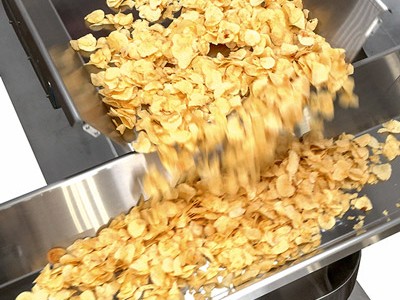
What makes bulk food inspection unique is the sheer scale of the operation. Unlike packaged products, bulk food items move rapidly through production lines in loose form, making traditional inspection methods less effective. This is where advanced product inspection technologies step in, offering rapid, reliable detection of foreign bodies before they reach the final product stage.
The Power of Early Detection
Implementing product inspection systems at Critical Control Points (CCPs) is one of the most effective ways to prevent physical contamination. By identifying issues early in the process, manufacturers can avoid costly waste, protect expensive machinery and maintain the integrity of their supply chain.
But where should inspections take place? Many producers choose to inspect raw materials as they enter the facility, catching physical contaminants before they mix with other ingredients. Others opt for in-line inspection during processing or at the final stage before packaging. Each approach has its benefits, but one thing is clear: catching foreign body contaminants early is always the best strategy.
Metal Detection vs. X-ray Inspection
Selecting the right inspection technology depends on the type of contamination risks present in a particular production environment. The two leading technologies – metal detection and x-ray inspection – each have unique advantages.
Metal Detection: Metal detectors are a staple in the food industry, effectively identifying ferrous, non-ferrous and stainless steel contaminants. They are especially useful for bulk-flow products like powders, cereals and meat blocks before grinding. Metal detection systems offer high sensitivity and are a cost-effective choice when metal is the primary concern.
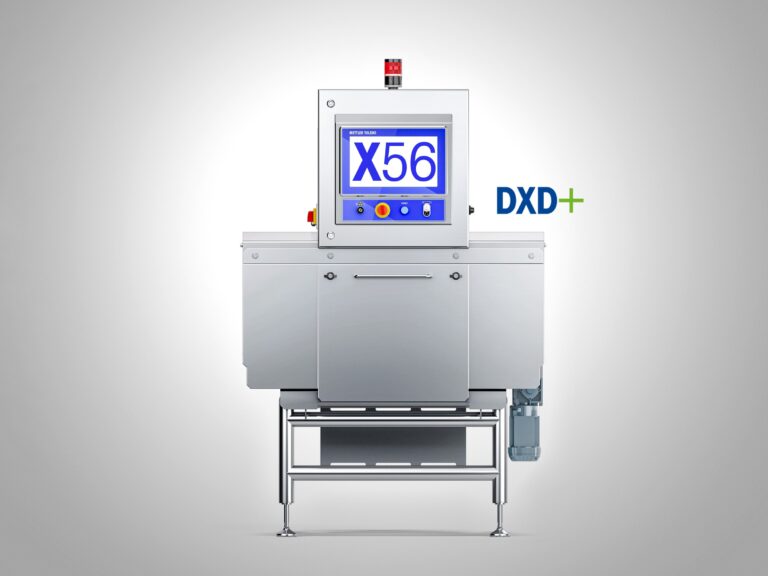
X-ray Inspection: X-ray systems identify an even wider range of physical contaminants including glass, mineral stone, calcified bone and high-density plastics. They also provide additional quality control benefits, such as checking for missing items, verifying product mass and facilitating consistency in bulk materials. For manufacturers facing multiple contamination risks, x-ray inspection is a powerful tool.
Read more latest industry news and developments in our free to download magazine.
Never miss a story…follow us on:
LinkedIn: International Snacks
X: @IntSnacks
Media Contact
Joseph Clarke
Editor, International Snacks
Tel: +44 (0) 1622 823 920
Email: [email protected]