

Features Editor Katie Tracy explores how material innovation, automation, inspection technology and operational efficiency are reshaping packaging sustainability…
Sustainability in snack packaging has moved far beyond a simple discussion about recyclable materials. While flexible mono-material films, paper-based formats and compostable alternatives continue to attract industry attention, manufacturers are increasingly recognising that truly sustainable packaging requires a broader systems-based approach encompassing machinery efficiency, waste reduction, product protection, energy optimisation and intelligent quality control.
For snack manufacturers, the challenge is particularly complex. Snacks require packaging capable of protecting freshness, preserving texture, maintaining shelf life and supporting increasingly demanding retail and logistics environments. At the same time, governments, retailers and consumers are exerting pressure on brands to reduce plastic waste, lower carbon emissions and improve recyclability.
The result is a period of rapid innovation across the entire packaging ecosystem. Packaging material developers, machinery manufacturers, inspection specialists and automation providers are all playing a growing role in helping snack producers balance sustainability goals with operational performance.
One of the most significant developments in recent years has been the move towards recyclable mono-material packaging structures. Traditionally, snack packaging relied heavily on multilayer laminates combining different materials such as PET, aluminium and polyethylene to achieve the barrier protection necessary for crisps, nuts, baked snacks and confectionery products. While effective from a product protection perspective, these complex structures were often difficult or impossible to recycle through conventional waste streams.
Today, however, advances in polymer science and coating technologies are enabling manufacturers to create mono-material solutions capable of delivering improved barrier performance while remaining compatible with recycling infrastructure. Polyethylene and polypropylene-based flexible films are increasingly being designed to replace traditional mixed-material laminates, helping brands improve recyclability without sacrificing product integrity.
Yet transitioning to more sustainable packaging materials is not always straightforward. Recyclable films are often thinner, lighter and more sensitive during high-speed production processes. This creates new demands on packaging equipment and line handling systems, making machinery innovation a critical part of the sustainability equation.
Machinery Innovation Supporting Sustainable Packaging
High-speed packaging specialist Focke & Co. represents one example of how machinery suppliers are adapting to these changing requirements. Modern snack packaging operations require systems capable of handling a wide variety of packaging materials while maintaining efficiency, minimising downtime and reducing material waste. Flexible machinery platforms capable of accommodating lightweight sustainable films are becoming increasingly important as manufacturers diversify packaging formats and seek greater operational agility.
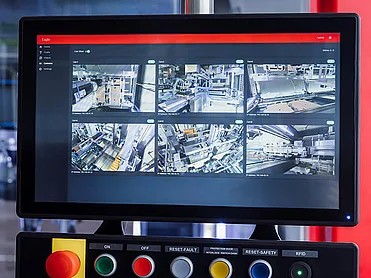
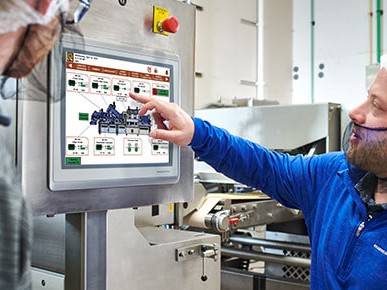
Automation and intelligent machine design can contribute significantly to sustainability goals by reducing product giveaway, minimising rejected packs and lowering energy consumption. Advanced control systems also enable more precise sealing and cutting operations, which becomes particularly important when working with thinner recyclable materials that may behave differently compared to conventional laminates.
In many snack factories, sustainability improvements are increasingly being driven by data-led optimisation strategies rather than isolated packaging changes. Digitalisation, predictive maintenance and AI-assisted process management are allowing manufacturers to improve packaging line performance while reducing operational waste.
The ability to switch quickly between different packaging formats is also becoming more valuable as snack brands expand product ranges and trial new sustainable packaging concepts. Flexible machinery systems reduce the need for lengthy changeovers, helping manufacturers minimise wasted materials during production transitions.